

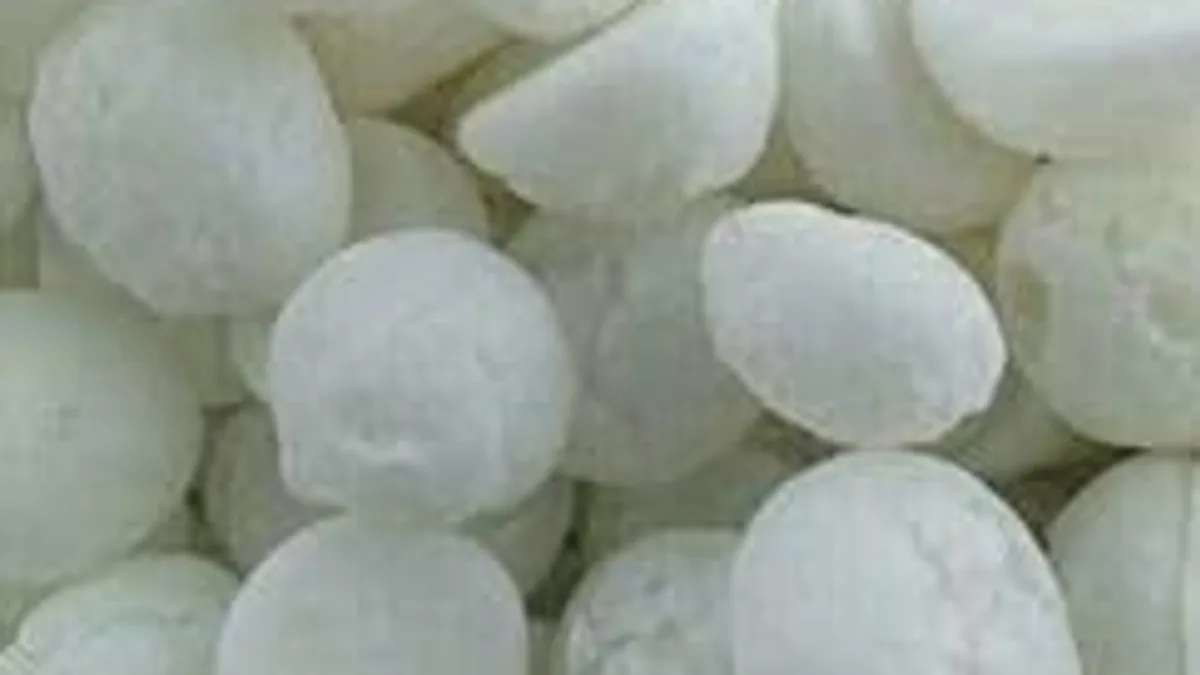
Asansol. Once the pride of sweet shops, the identity of temple prasad, and the soul of village and town fairs, the Batasha used to be ubiquitous. Whether it was worship or a religious ritual, offering bhog to deities or distributing prasad, Batasha held a special place. Batasha shops and carts were easily spotted at fairs during Dussehra, Durga Puja, and other festivals. However, today, amidst changing times and the glamour of modern sweets, a question arises: where has that Batasha disappeared, which was once a special part of the confectionery world?
This lightweight sugary treat, made from sugar, held a special place in people's hearts despite its simplicity. Available at a low price, Batasha was accessible to all classes and was deeply connected to religious traditions. As times changed, people's preferences also shifted. Chocolates, candies, packaged sweets, and attractively designed new confections carved out a space in the market. On the other hand, the nature of festivals and fairs also evolved. Now, Batasha shops are no longer visible everywhere. In many places, due to limited demand, traditional sweet vendors face challenges in sustaining their businesses.
Can the old identity of Batasha return? Preserving traditional foods in a changing era is also a way to cherish cultural heritage. If Batasha is given its rightful place in temples, religious events, and local fairs, if traditional sweet artisans are encouraged, and if the new generation is introduced to its significance, its identity can receive a new lease of life.