

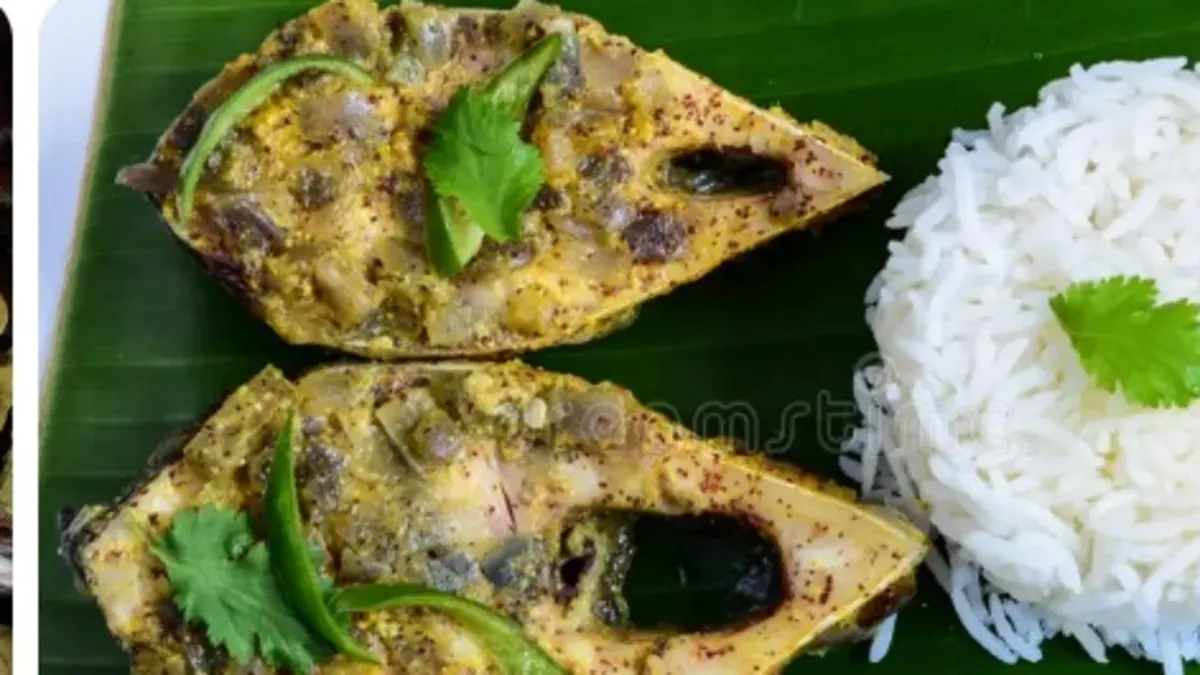
Asansol. With the arrival of Durgotsav in Bengal, the demand for Bangladeshi ilish fish increases. It comes from Bangladesh. The Padma river, the first choice of Bengalis, is home to the ilish fish. This year, Bangladesh has banned its export to India, which has increased its smuggling. On the other hand, hilsa fish is being smuggled from India to Bangladesh. The border security forces of both countries have decided on a strategy through a joint meeting to stop this smuggling.
Border guards of India and Bangladesh, who earlier monitored illegal movement of cattle and humans, are now fully vigilant to prevent the smuggling of ilish and hilsa fish. Ahead of the festive season, Border Guard Bangladesh (BGB) has sought BSF's help to stop the smuggling of Padma's ilish fish into India and Gujarat's hilsa fish into Bangladesh. This issue was discussed in the border coordination meeting held last week. The demand for ilish is quite high in Bangladesh. Due to lower yields this year, smuggling has driven up its prices. The Bangladesh government has stopped the export of ilish fish to India, while New Delhi started exporting this fish to Bangladesh for the first time in July this year. Most of this was Gujarat hilsa fish. However, last week Dhaka suspended imports citing poor quality of Gujarat hilsa. BGB has significantly stepped up 24/7 surveillance along river and land borders to curb smuggling. According to reports, between July 20 and September 20, 553 tonnes of Gujarat hilsa reached Bangladesh via the Benapole border point. On September 23, Dhaka canceled 103 no-objection certificates issued to importers, halting hilsa imports from India. Reports from Bangladesh stated that this step was taken to prevent imported Indian hilsa from being sold as local or Padma ilish, curb potential money laundering through under-invoicing, and promote greater interest in domestic hilsa production.